
Laboratory instrument modernization is redefining what modern laboratories expect from their equipment — combining precision, connectivity, and intelligent control into a single integrated platform. While many legacy instruments continue to perform their core analytical functions accurately, today’s laboratories expect far more than precise measurements. They require connected, intelligent, and user-friendly systems that seamlessly integrate into digital workflows, simplify operations, and enable informed decision-making.
This shift is being driven by the broader digital transformation of laboratories. According to a 2025 Medical Laboratory Observer State of the Industry Survey, laboratories are prioritizing digital technologies to address staffing shortages, rising operational costs, and increasing data management challenges. These pressures are accelerating investments in automation, connectivity, and workflow optimization.
Source: https://www.mlo-online.com/information-technology/analytics/article/55263674/us-medical-labs-embrace-digital-transformation-amid-staffing-cost-and-data-challenges-key-insights-from-the-2025-mlo-state-of-the-industry-soi-survey
Similarly, Deloitte’s “QC Lab of the Future” study found that more than 70% of surveyed biopharmaceutical executives expect to maintain or increase investments in quality control laboratory modernization over the next two to three years. The focus extends beyond improving instrument performance to creating digitally connected laboratories that support automation, data integrity, and operational efficiency.
Source: https://www.deloitte.com/us/en/insights/industry/health-care/biopharma-lab-modernization-digital-transformation-qc-lab-future.html
For laboratory instrument manufacturers, these evolving expectations present both a challenge and an opportunity. Products designed years ago may still deliver accurate results, but outdated electronics, limited connectivity, conventional user interfaces, and obsolete components can restrict their ability to meet modern laboratory requirements. Rather than replacing proven products entirely, manufacturers are increasingly choosing to modernize their existing platforms—extending product lifecycles while incorporating technologies that improve performance, connectivity, and usability.
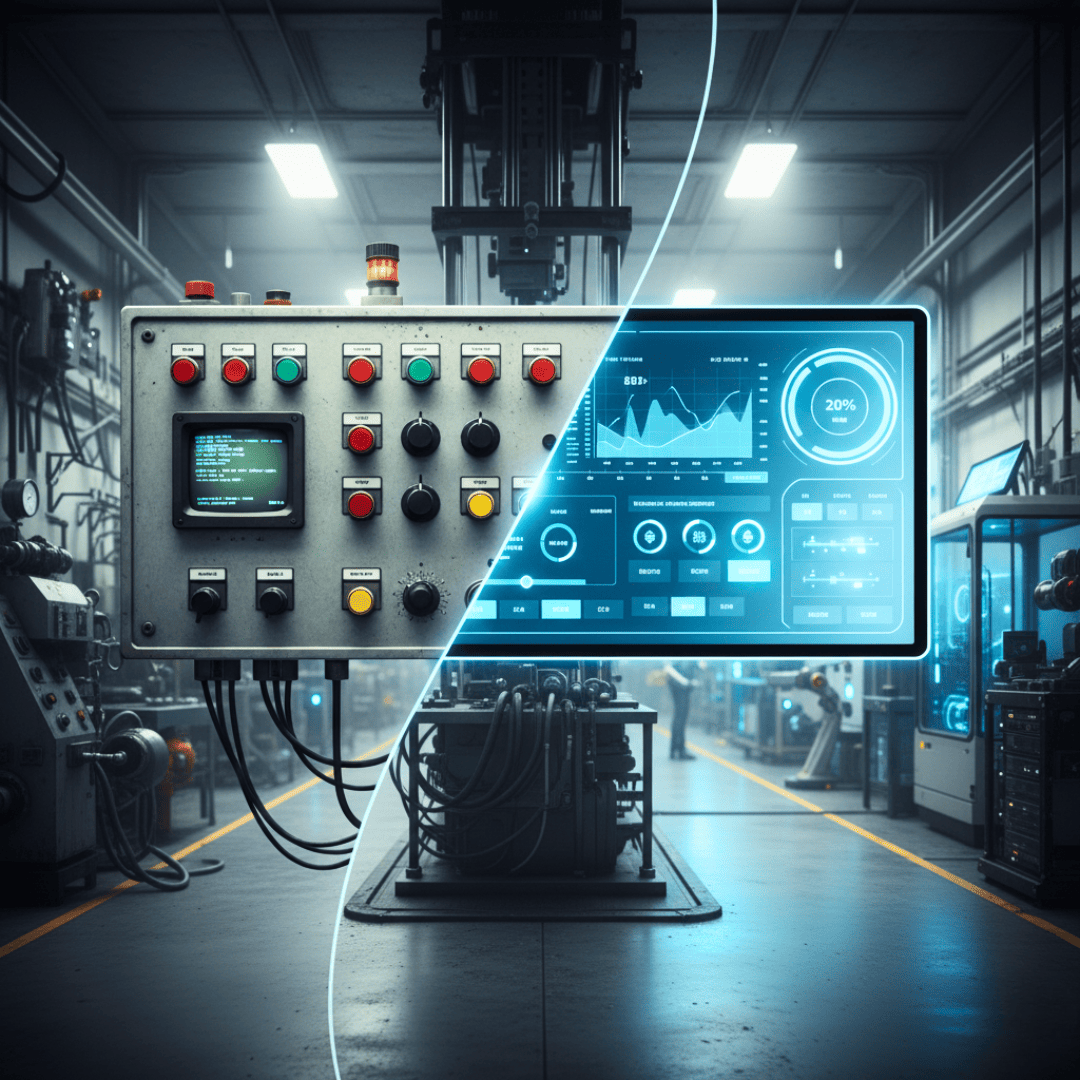
Modernization begins with the instrument’s embedded electronics. Upgrading legacy controllers, processors, and printed circuit boards enables manufacturers to improve processing capability, reliability, and long-term component availability while addressing hardware obsolescence.
Advanced embedded electronics also support higher-precision sensor interfacing, improved analog signal conditioning, enhanced motion control, optimized power management, and more efficient thermal performance. These improvements allow instruments to deliver faster response times, improved stability, and greater operational reliability without compromising analytical accuracy.
Modern laboratory instruments are no longer isolated devices. They are expected to communicate with laboratory software, enterprise systems, and cloud platforms to streamline workflows and improve data accessibility.
Embedded firmware enables intelligent device control, automated workflows, diagnostics, and software updates, while modern communication interfaces such as Ethernet, Wi-Fi, Bluetooth, USB, and industrial communication protocols enable seamless connectivity. Integration with Laboratory Information Management Systems (LIMS), cloud applications, and remote monitoring platforms further allows laboratories to centralize data, automate reporting, and simplify instrument management across multiple locations.
Together, these capabilities reduce manual intervention while improving traceability and operational visibility.
Operator experience has become an important differentiator for laboratory equipment. Replacing traditional keypads and basic displays with intuitive touchscreen interfaces makes instruments easier to configure, operate, and troubleshoot.
Modern Human Machine Interface (HMI) designs incorporate guided workflows, graphical dashboards, multilingual support, user access management, and contextual prompts that reduce training requirements and minimize operational errors.
Equally important is effective data management. Features such as automated data logging, audit trails, secure report generation, role-based access control, and cybersecurity measures help laboratories maintain data integrity while supporting regulatory and quality requirements.
Modernizing laboratory instruments requires expertise across multiple engineering disciplines, from embedded electronics and firmware development to software applications, mechanical engineering, validation, and manufacturing support.
Alpha ICT partners with laboratory instrument manufacturers to transform legacy products into intelligent, connected, and user-centric solutions through our Concept-to-Field product engineering approach. OurO team supports embedded controller redesign, PCB development, firmware engineering, sensor integration, communication interface implementation, and intuitive HMI development tailored to laboratory workflows.
Beyond embedded systems, Alpha ICT develops companion desktop, web, and mobile applications that enable remote monitoring, data visualization, cloud connectivity, and seamless integration with enterprise platforms such as LIMS. We also provide product validation, compliance support, manufacturing assistance, and engineering services that help manufacturers accelerate modernization while reducing technical and project risks.
Whether the objective is to upgrade an existing laboratory instrument, overcome hardware obsolescence, improve usability, or develop a connected next-generation platform, Alpha ICT provides the multidisciplinary engineering capabilities required to support the entire product lifecycle.
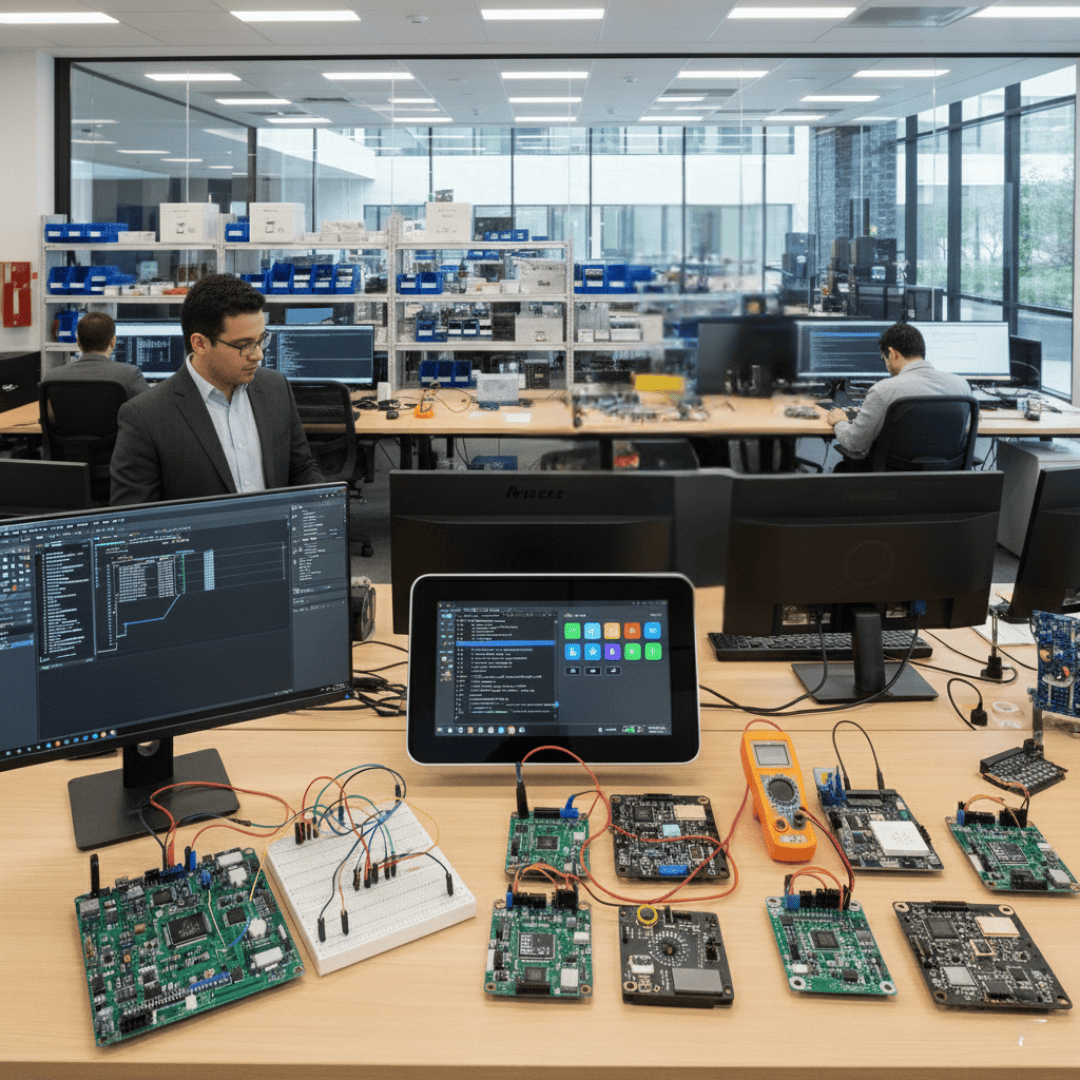
Future-Proof Laboratory Instruments Through Strategic Modernization
Laboratory instrument modernization is no longer limited to improving measurement performance. It is about creating intelligent systems that combine precision with connectivity, intuitive operation, secure data management, and long-term scalability.
For manufacturers, modernization offers a practical path to extending product lifecycles, enhancing customer value, and remaining competitive in an increasingly digital laboratory environment. By adopting the right combination of embedded technologies, software capabilities, and user-centric design, organizations can deliver laboratory instruments that not only meet today’s expectations but are also prepared for the evolving demands of tomorrow’s laboratories.