
Urban mobility systems across the globe are under increasing pressure due to rapid urbanization, vehicle density, and infrastructure constraints. Traditional fixed-time traffic signal systems—still widely deployed—struggle to dynamically respond to fluctuating traffic patterns, leading to congestion, increased emissions, and inefficient road utilization.
According to the International Transport Forum, unmanaged congestion could increase travel times in major cities by over 30% in the coming decades if adaptive measures are not implemented.
Similarly, the World Bank highlights that intelligent transport systems (ITS) are critical for improving traffic efficiency and safety in developing and rapidly urbanizing regions.
A key limitation in legacy systems is their inability to:
This creates a compelling need for more intelligent, connected, and scalable traffic control architectures.
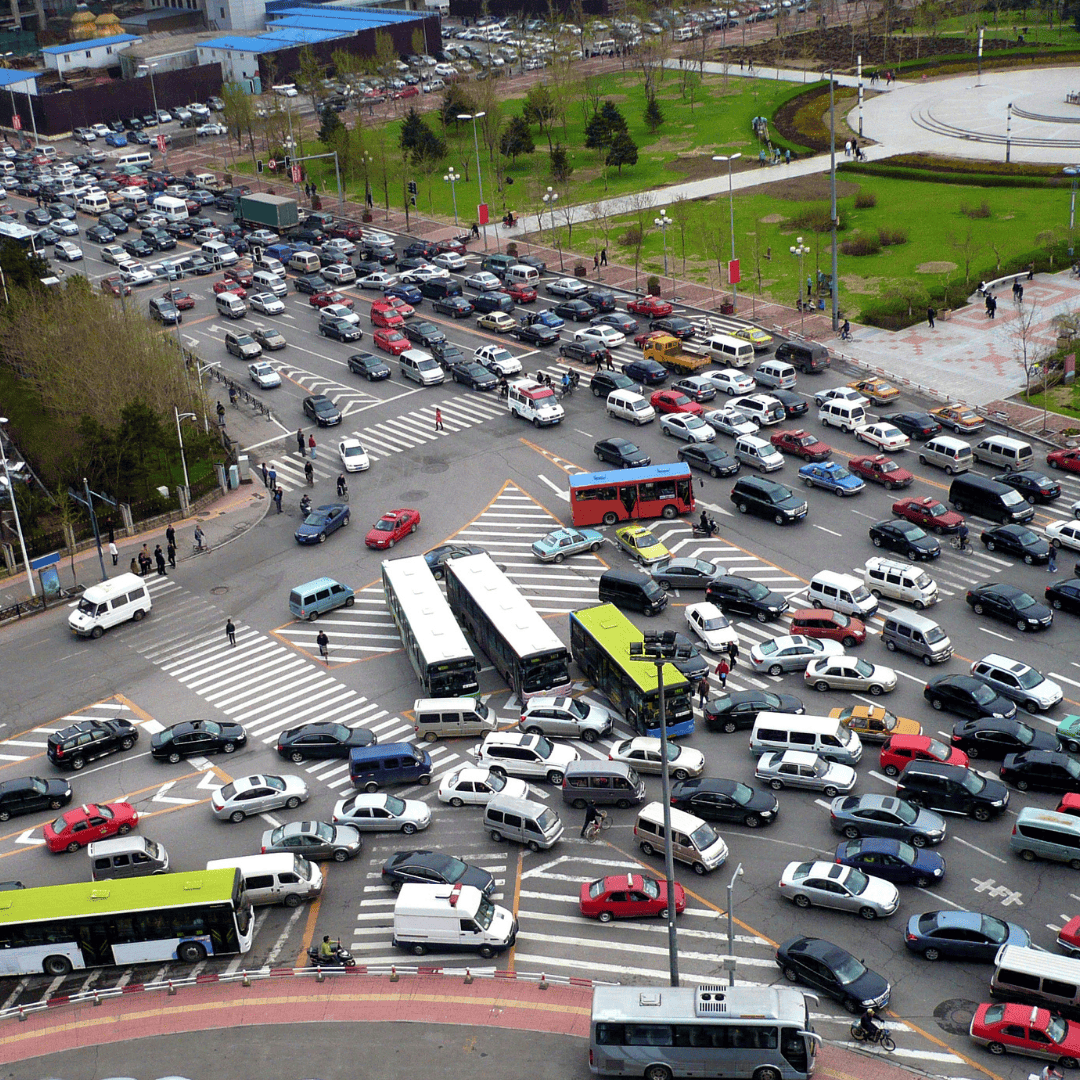
Modern traffic management is increasingly transitioning toward adaptive, data-driven control systems powered by embedded electronics, IoT connectivity, and distributed intelligence.
At the core of this transformation are several key technological enablers:
Unlike fixed-time systems, actuated controllers respond dynamically to real-time inputs from vehicle detectors, cameras, or sensors—optimizing signal timing based on actual demand.
Embedded controllers equipped with communication interfaces (Wi-Fi, cellular, Ethernet) allow:
Support for industrial and communication protocols such as RS485, GPRS, and IP-based communication ensures interoperability across legacy and modern infrastructure.
Technologies like GPS-based synchronization enable “green wave” traffic flow, allowing vehicles to pass through multiple intersections without stopping—significantly improving throughput and reducing idle time.
The integration of mobile applications for traffic authorities enables:
Standards bodies such as the Institute of Transportation Engineers and IEEE continue to define frameworks for interoperability, safety, and communication in ITS deployments.
Alpha ICT engineered a next-generation intelligent traffic controller with capabilities aligned to modern ITS requirements:
The controller was engineered to meet regional compliance standards and support extended operating conditions, ensuring reliability in diverse environments.
Deployment Outcome
The solution has been successfully deployed across 1,000+ intersections, enabling:
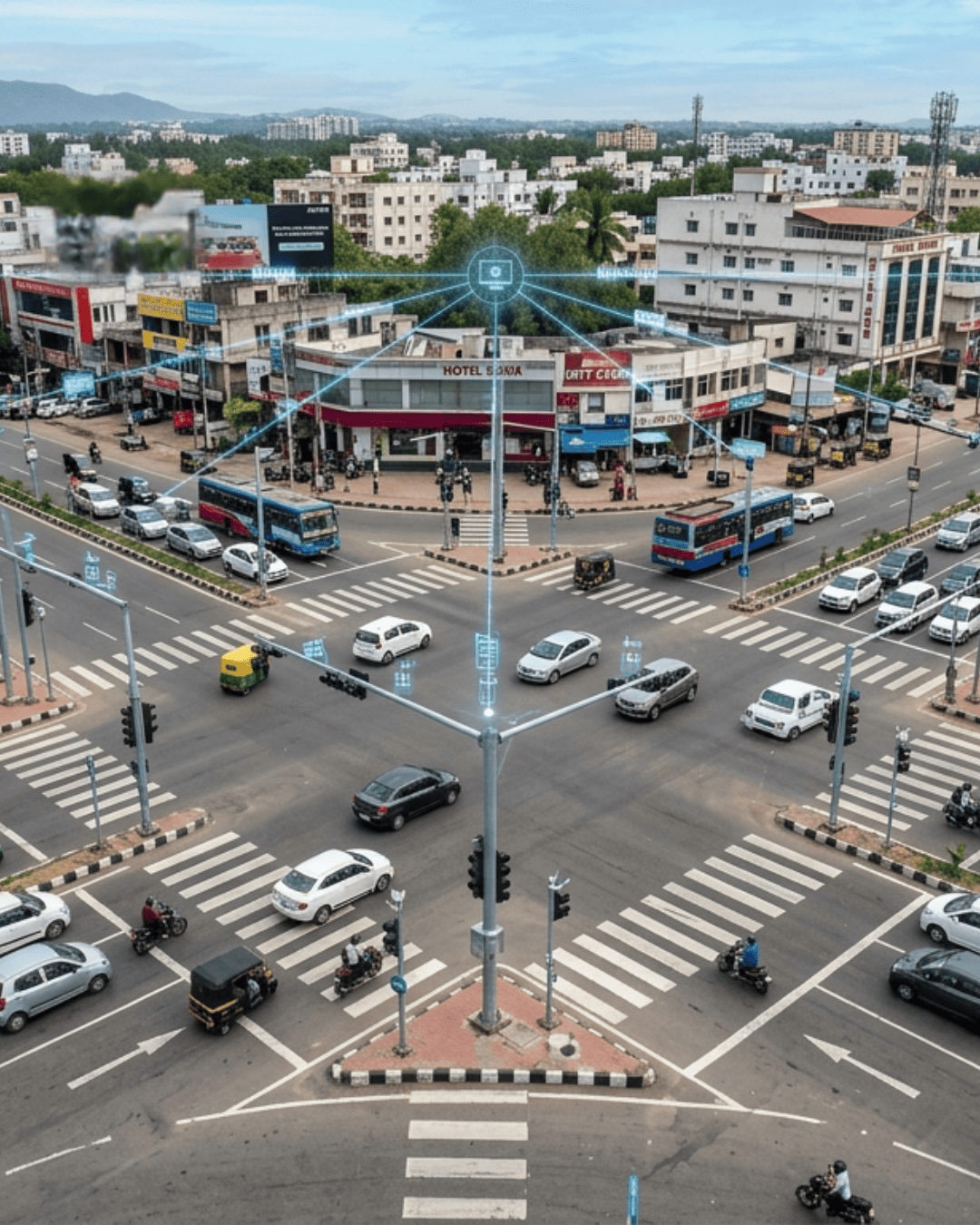
The evolution of traffic control systems is moving beyond rule-based automation toward AI-driven, predictive, and autonomous traffic management ecosystems.
Emerging trends include:
Organizations investing in next-generation traffic infrastructure should focus on:
In this landscape, intelligent traffic controllers are no longer just signal devices—they are becoming critical nodes in the broader smart mobility ecosystem, enabling cities to transition from reactive traffic management to proactive, optimized urban mobility.